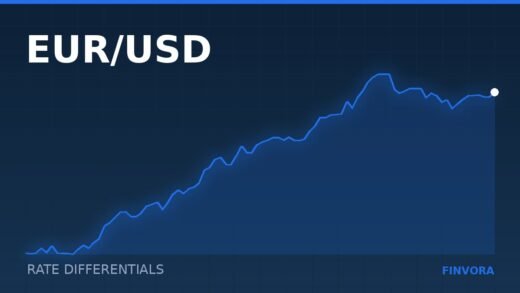
EUR/USD: Why the rate differential still sets the ceiling on any euro rally
Every euro rally of the past two years has run into the same wall: the spread between what the market…
Every scheduled macro release that moves currencies, metals and bonds, with consensus, previous readings and expected impact.
The economic calendar is the backbone of any short-term trading plan. It tells you when liquidity will thin out, when spreads will widen and when a position that looked safe five minutes ago can gap through a stop. Filter by country and importance, and check it before every session.
Each row carries four numbers that matter: the actual reading once it is published, the consensus forecast economists submitted beforehand, the previous print, and any revision to that previous figure. Markets trade the gap between actual and consensus, not the headline number in isolation. A 3.1% inflation print is bullish for a currency if the street expected 2.8%, and bearish if the street expected 3.4%.
European data lands between 07:00 and 10:00 GMT, US data mostly at 12:30 and 14:00 GMT, and the Asia-Pacific block sits between 22:00 and 02:00 GMT. The London and New York overlap, roughly 12:00 to 16:00 GMT, is when volume peaks and the day’s range is most often set.
Retail sentiment is a useful contrarian input around high-impact releases. The widget below shows how the wider trading community is positioned on the majors.
Every euro rally of the past two years has run into the same wall: the spread between what the market…
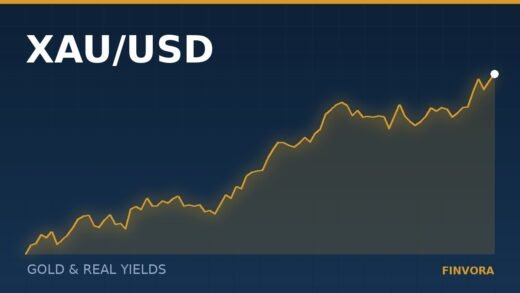
Real yields, official-sector buying and the dollar do most of the work in gold. Inflation headlines, despite the folklore, do…
The halving cycle shaped every previous Bitcoin bull market. With regulated funds now setting the marginal bid, the framework needs…
The rate decision is rarely the news. The market trades the changed adjectives, the vote split and the projections —…