Latest posts
-
EUR/USD: Why the rate differential still sets the ceiling on any euro rally
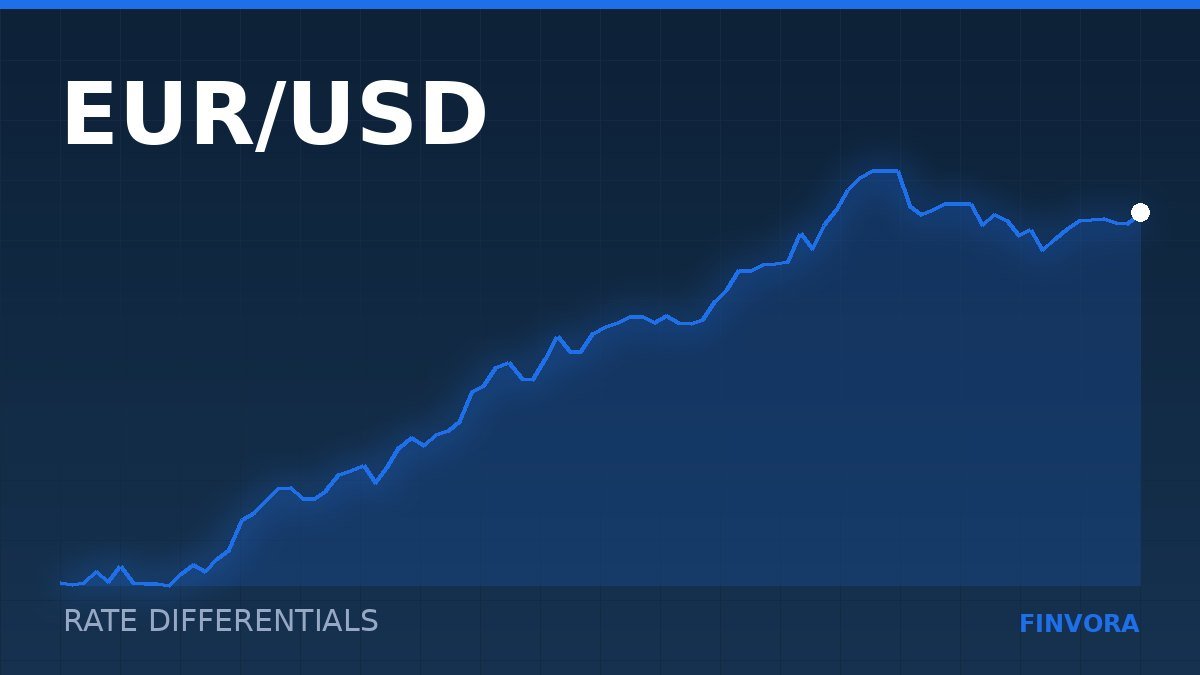
Every euro rally of the past two years has run into the same wall: the spread between what the market expects from the Fed and what it expects from the ECB. Here is how to read that spread on a chart.
-
Gold: the three inputs that actually explain XAU/USD, and the one that does not
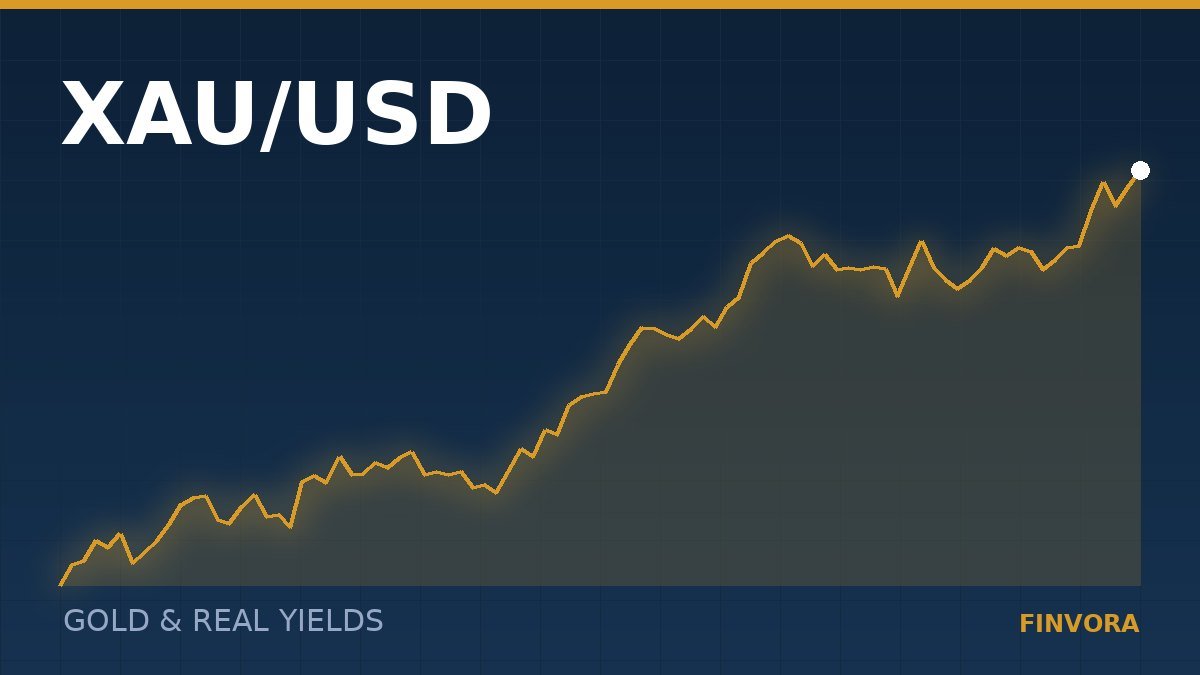
Real yields, official-sector buying and the dollar do most of the work in gold. Inflation headlines, despite the folklore, do surprisingly little on their own.
-
Bitcoin: how the four-year cycle framework holds up now that institutions set the marginal price
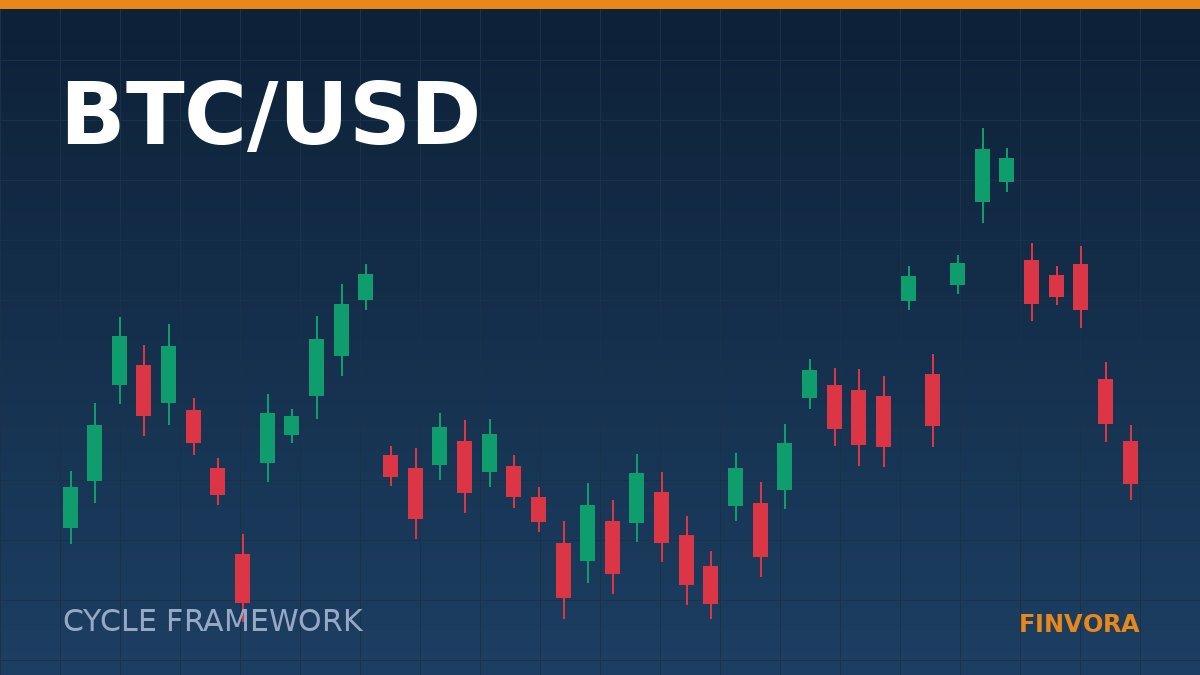
The halving cycle shaped every previous Bitcoin bull market. With regulated funds now setting the marginal bid, the framework needs adjusting rather than discarding.
-
Central banks: what a policy statement actually tells you, line by line
The rate decision is rarely the news. The market trades the changed adjectives, the vote split and the projections — in that order.
-
USD/JPY: the carry trade explained properly, and why it unwinds so violently
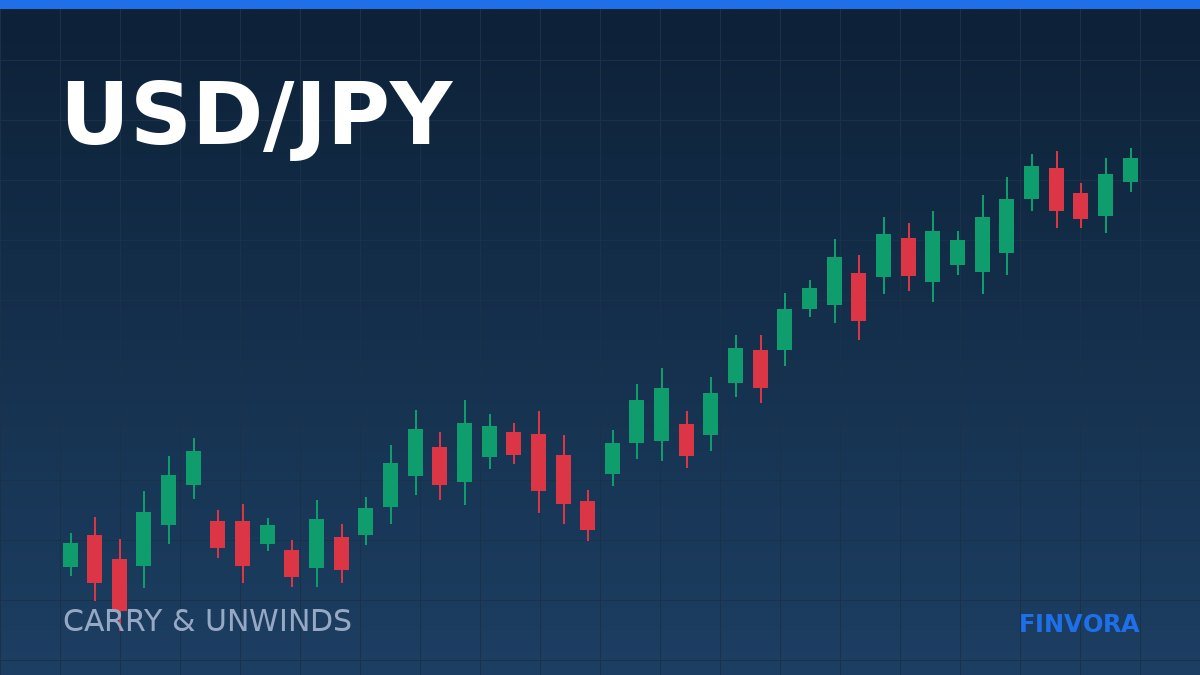
The yen carry trade earns slowly and loses quickly. Understanding the asymmetry is the difference between riding the trend and being the liquidity for someone else’s exit.
-
Crude oil: the supply-demand balance is the story, everything else is timing
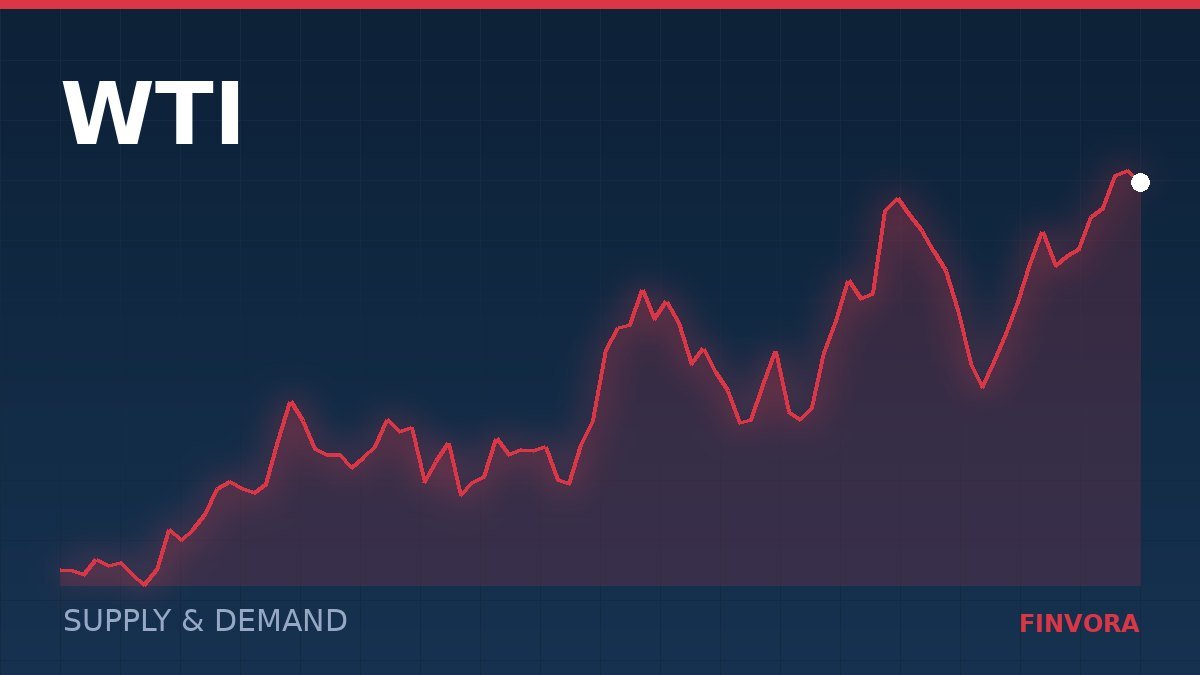
Inventories, spare capacity and the shape of the futures curve tell you more about where crude is going than any single geopolitical headline.
-
GBP/USD: sterling trades on two curves, and traders usually watch the wrong one
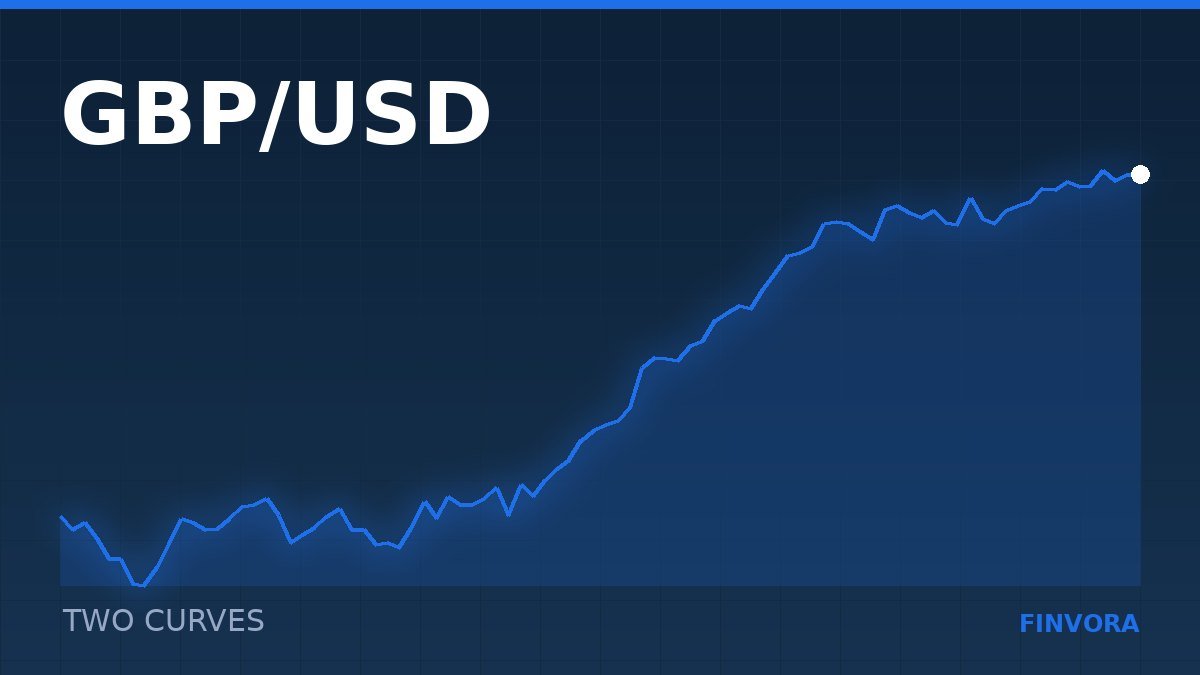
Sterling behaves like a rates currency on quiet days and a risk currency on loud ones. Knowing which regime you are in determines whether the chart level in front of you means anything.
-
Ethereum: valuing a network that is also a monetary asset
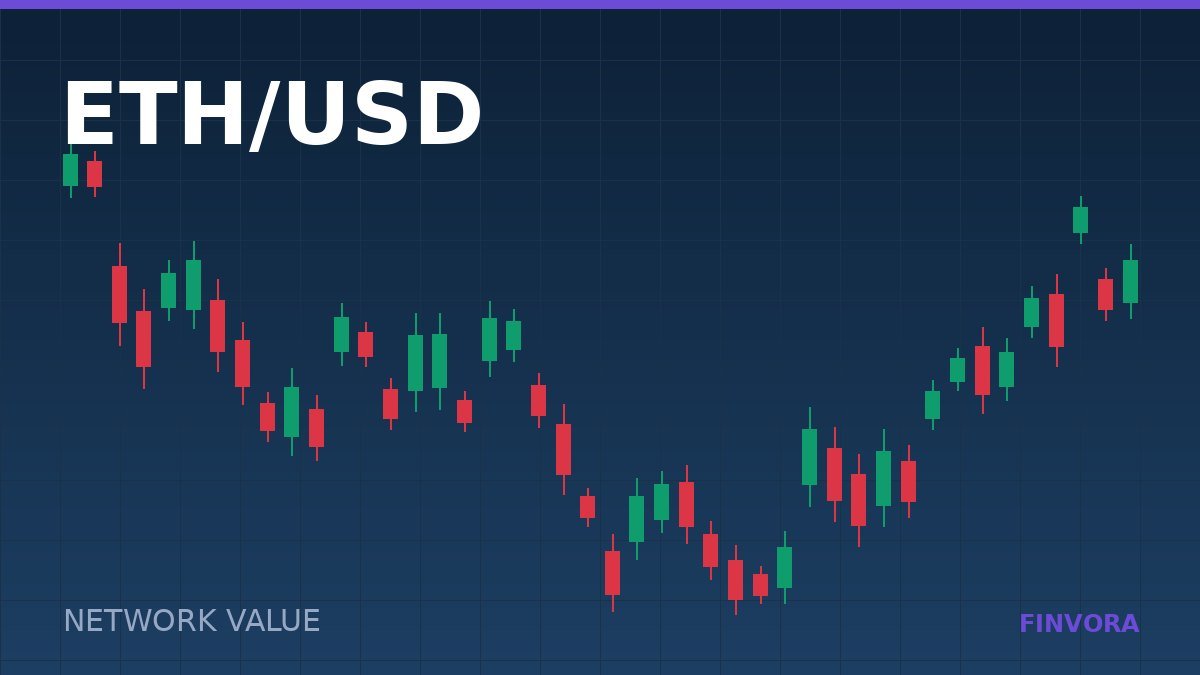
ETH is simultaneously a commodity that pays for computation, a yield-bearing staked asset and a speculative store of value. Those three identities pull the price in different directions.
-
Bond yields are the FX market’s nervous system: a practical guide
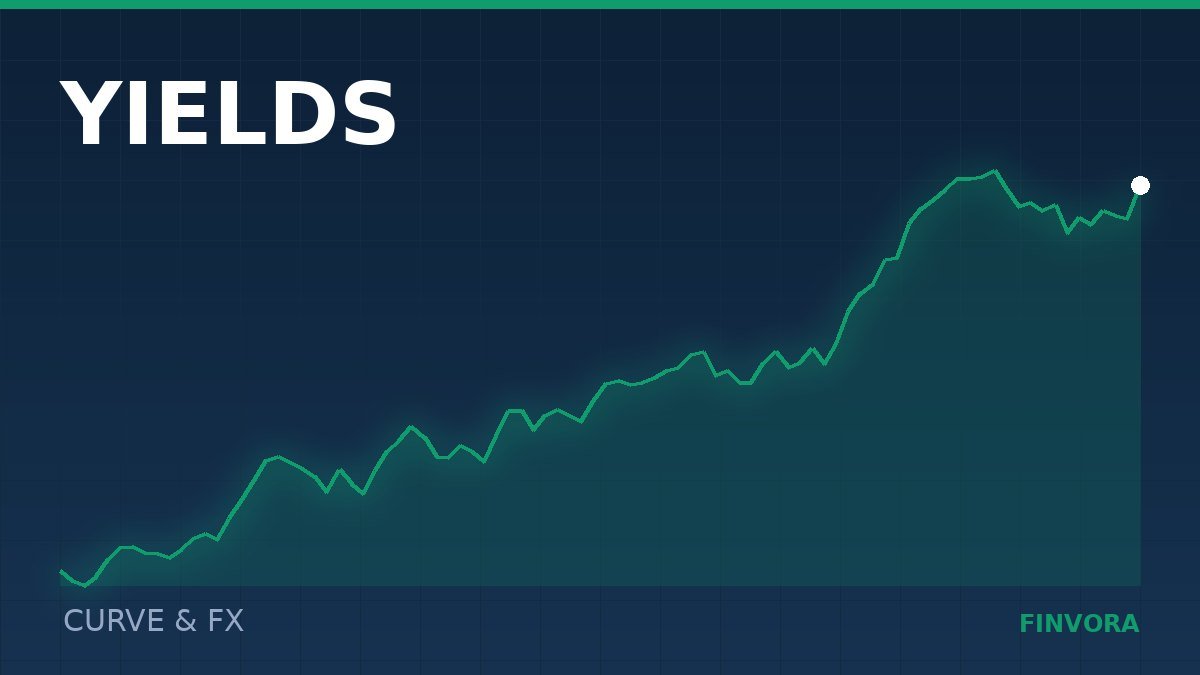
If you trade currencies without watching the curve, you are reacting to moves that were already visible somewhere else twenty minutes earlier.
-
Weekly forecast: the US dollar and the three questions that decide the week
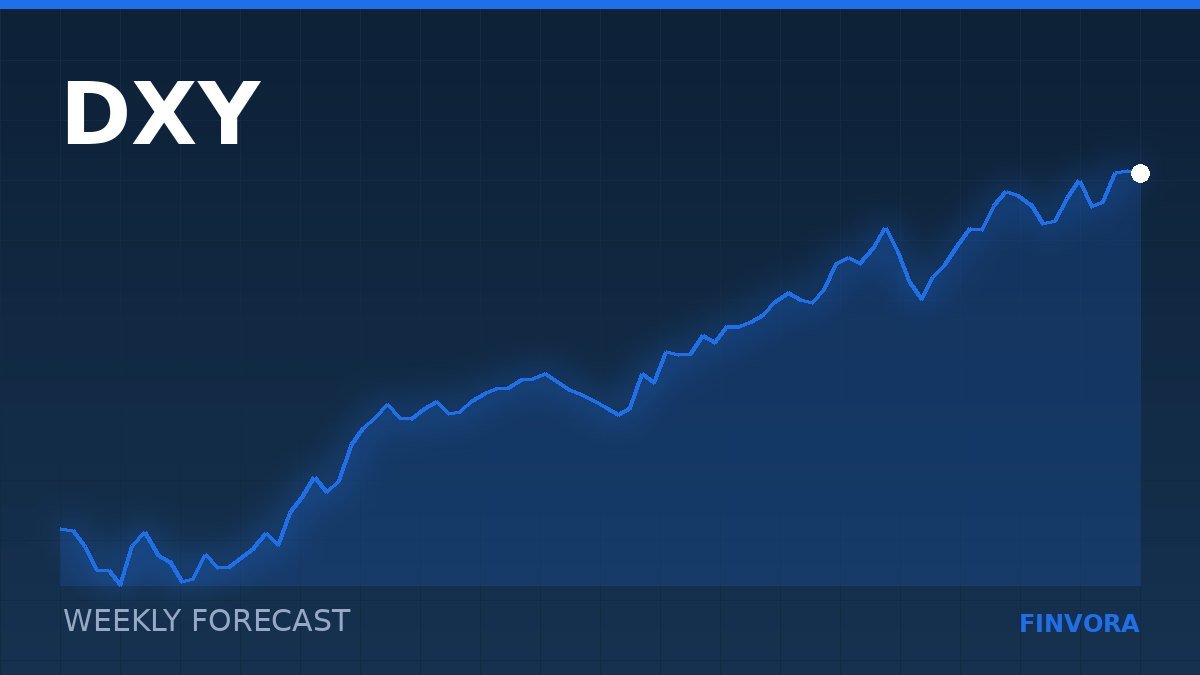
A scenario framework for the dollar index rather than a single prediction: what has to happen for each path, and the level that invalidates it.
-
S&P 500 and the dollar: what the equity tape tells currency traders
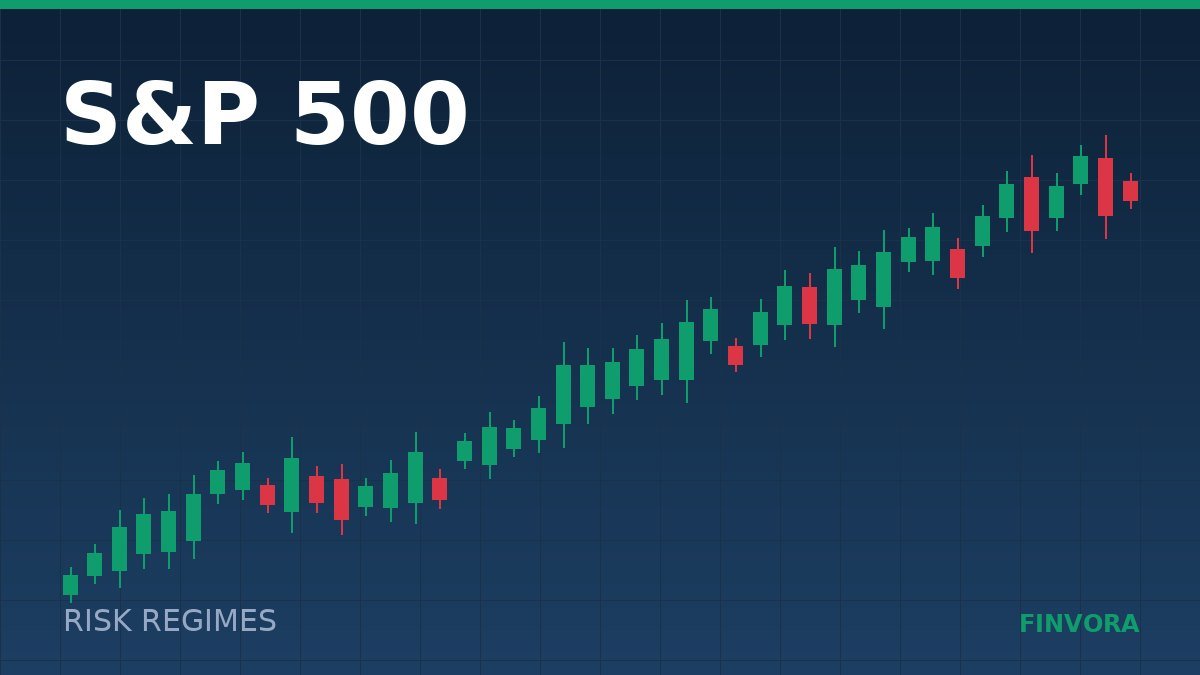
The equity index is not a currency driver, but it is an excellent real-time indicator of which regime the FX market is trading in.
-
Support and resistance: what these levels actually are, and why most of them are imaginary
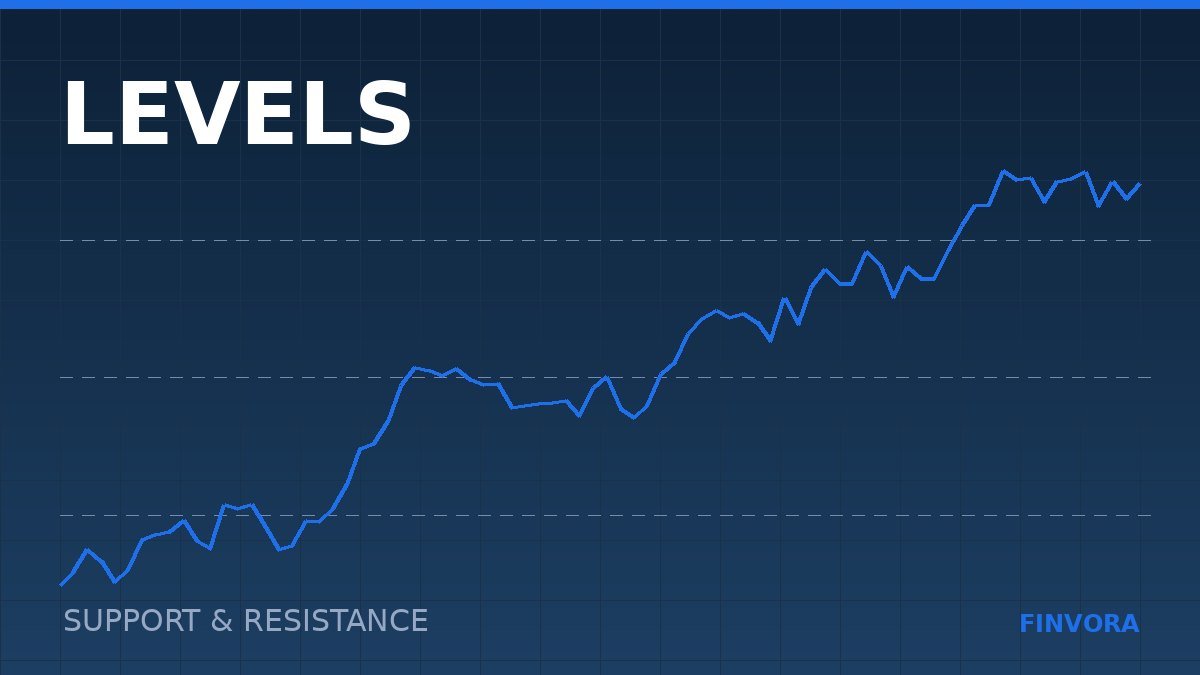
A level is not a magic number. It is a record of where large amounts of business were transacted — and that distinction tells you which lines on your chart are worth trading and which are decoration.