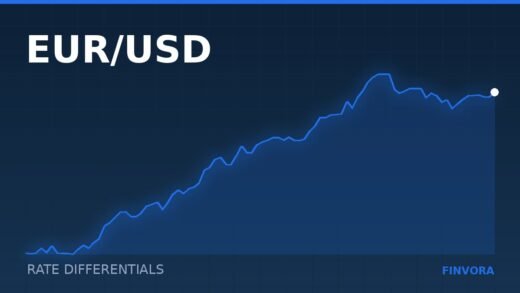
EUR/USD: Why the rate differential still sets the ceiling on any euro rally
Every euro rally of the past two years has run into the same wall: the spread between what the market…
See how much of your account a leveraged position ties up and how close it sits to a margin call.
Margin is the deposit the broker holds while a position is open. It is not the maximum you can lose, and confusing the two is one of the more expensive misunderstandings in leveraged trading.
See how much of your account a position ties up, and how little room is left before a margin call.
Margin is what the broker holds, not what you can lose. A position using a small slice of margin can still run a loss far larger than that slice. Leverage caps also differ by regulator and by instrument.
A position using five percent of your account as margin can still lose far more than five percent, because losses are calculated on notional exposure rather than on the deposit. Leverage does not change the size of a market move – it changes how much of your account that move represents.
Brokers close positions automatically once equity falls below a set proportion of the margin required. The higher the share of your account tied up in margin, the smaller the adverse move needed to trigger that. Traders who routinely run margin usage above half their balance are, in practice, letting the broker decide when they exit.
Maximum leverage differs by regulator, by instrument and by client classification. The same account can face very different caps on a major pair, an index and a crypto CFD. Check the specification for the instrument you are actually trading.
Every euro rally of the past two years has run into the same wall: the spread between what the market…
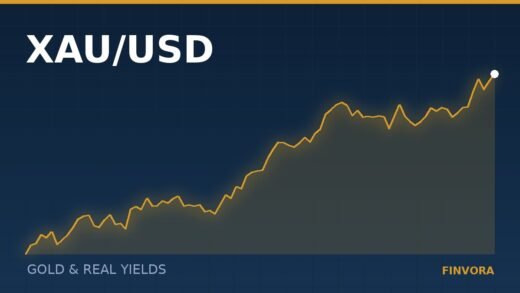
Real yields, official-sector buying and the dollar do most of the work in gold. Inflation headlines, despite the folklore, do…
The halving cycle shaped every previous Bitcoin bull market. With regulated funds now setting the marginal bid, the framework needs…
The rate decision is rarely the news. The market trades the changed adjectives, the vote split and the projections —…